By Arunima Paul
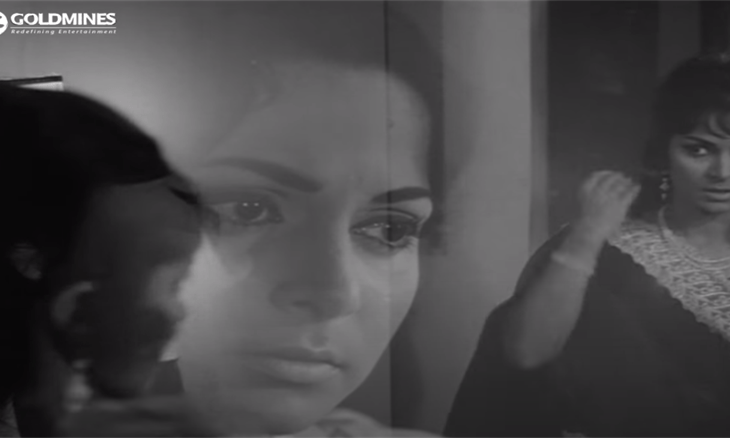
Khamoshi is a melodrama that confronts technocratic developmentalism and its epistemological certainties within the setting of medical research and healthcare.

By Arunima Paul
Khamoshi is a melodrama that confronts technocratic developmentalism and its epistemological certainties within the setting of medical research and healthcare.
By Aarcha PB
Feminism arose because the society was unequal to women and we need it because there is still no clarity regarding this.

By Ram Govardhan
Of all the disasters, Sara knew, coming across one’s ex is the most fatal one.
By Anirban Mukherjee
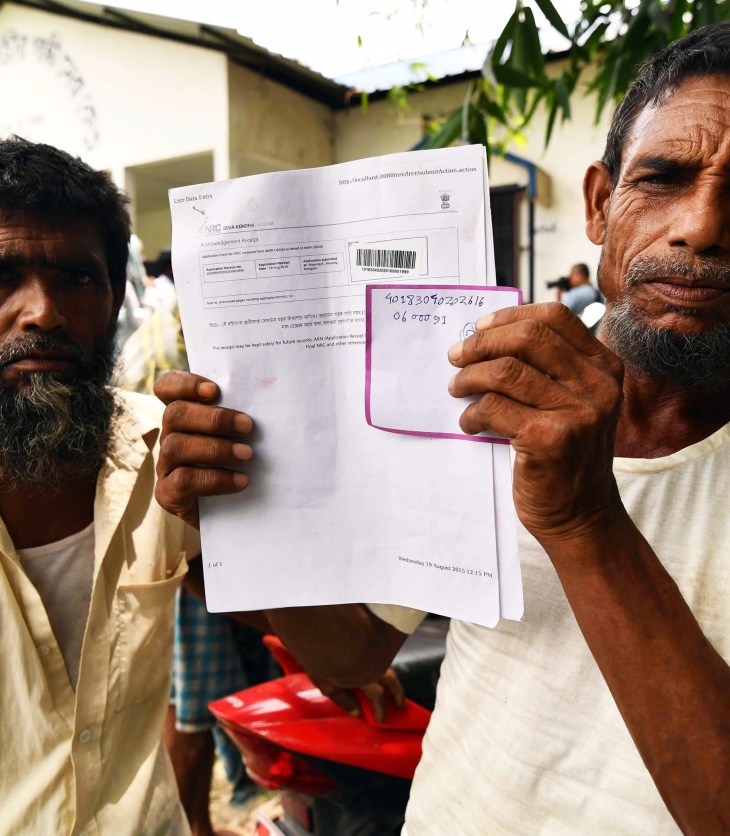
The economic position of West Bengal started to decline from the early 1980s while Bangladesh’s garments revolution started in mid 1980s. These two things together reduced the net gain from immigrating to India.
By Isha Singh
But the country changed, when we weren’t out on the streets,
Fighting for its soul.
Some came and changed its soul to a bituminous one
And now poison runs in its veins.

By Paromita Patranobish
Eschewing stereotypes of technological domination and human-machine antagonism, Klara and The Sun offers a tender portrait of what it is to be human, even if the humanity in question is that of a robot.

By Aijaz Ahmad Turrey
One of the important questions asked was to prohibit the use of ‘Human Shield’ during encounters and search operations.
By Rosemary Isaac
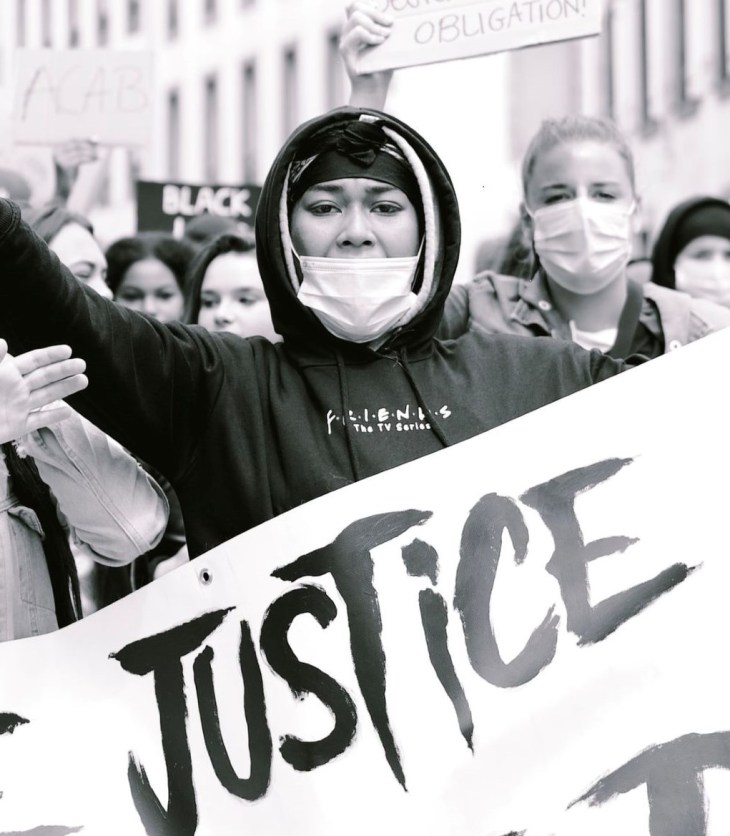
Fear of reprisal, a gagged media, and a heightened politician-law enforcement nexus quell protest almost completely.
By Nishi Pulugurtha
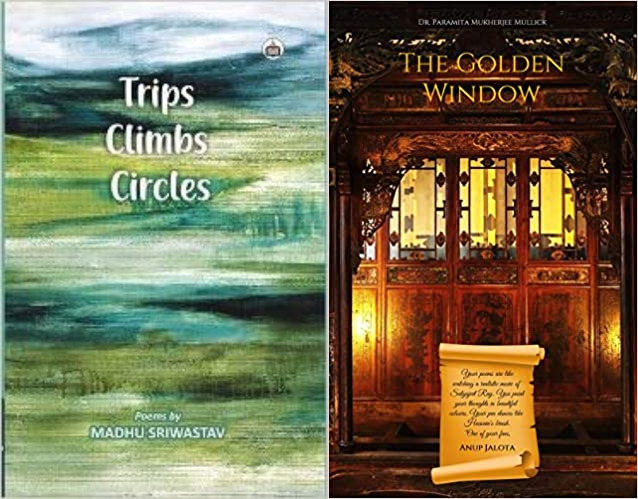
As I traverse from one volume to the other, reading and re-reading, finding nuances and tracing patterns, I find an elegance of expression that surely bodes well for Indian Poetry in English.

By Neha Dhull
The colonial power created a spatial understanding of India by using routes of access to expand administrative control over land and these routes became strategic in discovering borders themselves.
By Karun Menon
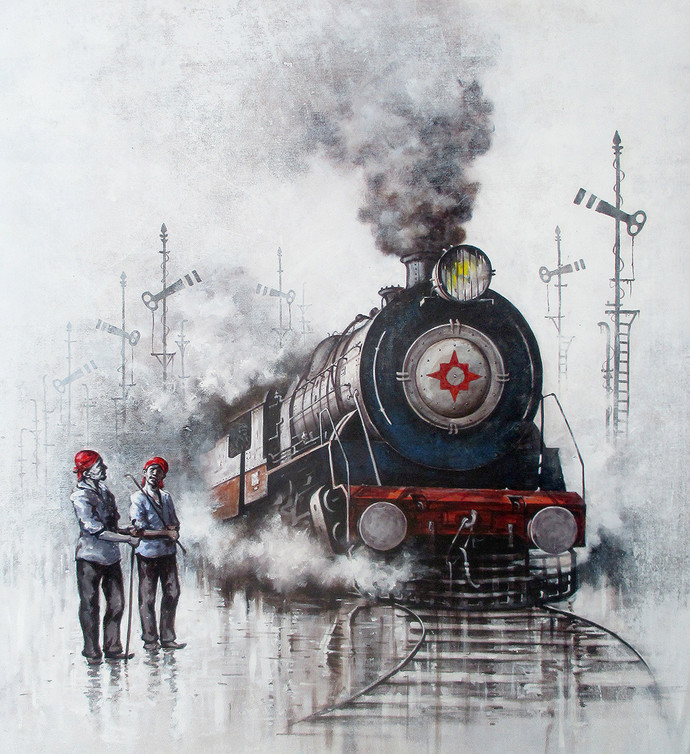
Standing tall with him in her left arm and the black umbrella in her right, she took a breath. And they ascended slowly…one step after another.
By Sekhar Banerjee
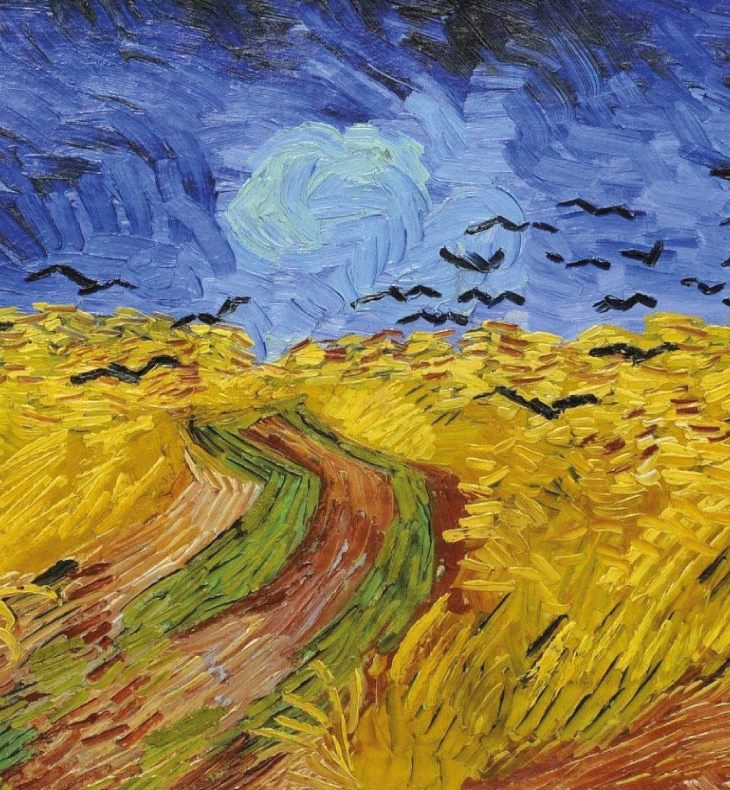
An empty palm in rain does not hold
anything back; it returns
privacy for privacy, water for water,
solitude for solitude like a forlorn prayer-wheel
left in the courtyard
By Pooja Pande
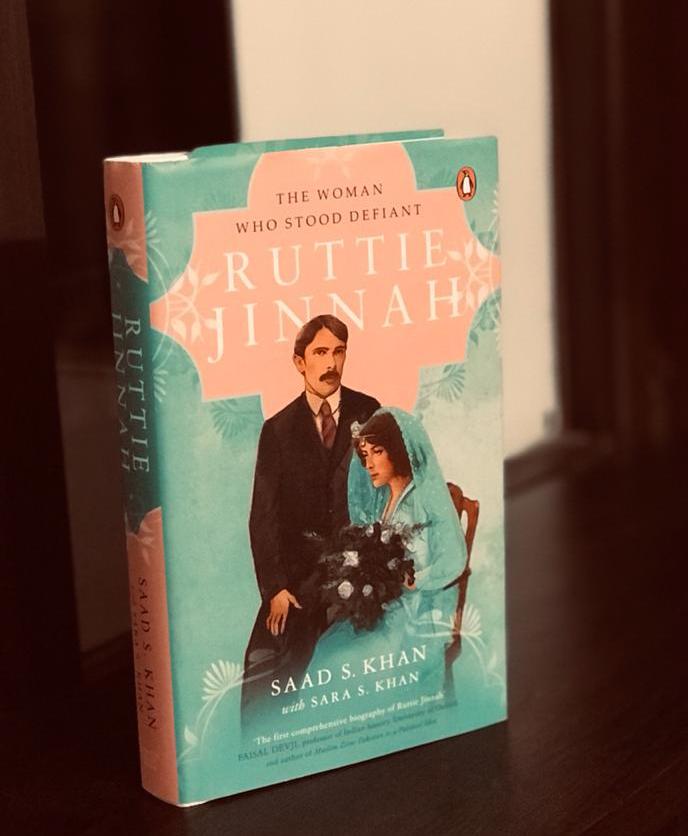
We had to weave an independent story of Mrs. Jinnah first as an individual, then that as a politico-social activist and lastly, and only parenthetically, her supporting role in her husband’s political journey.
By Noel Mariam George
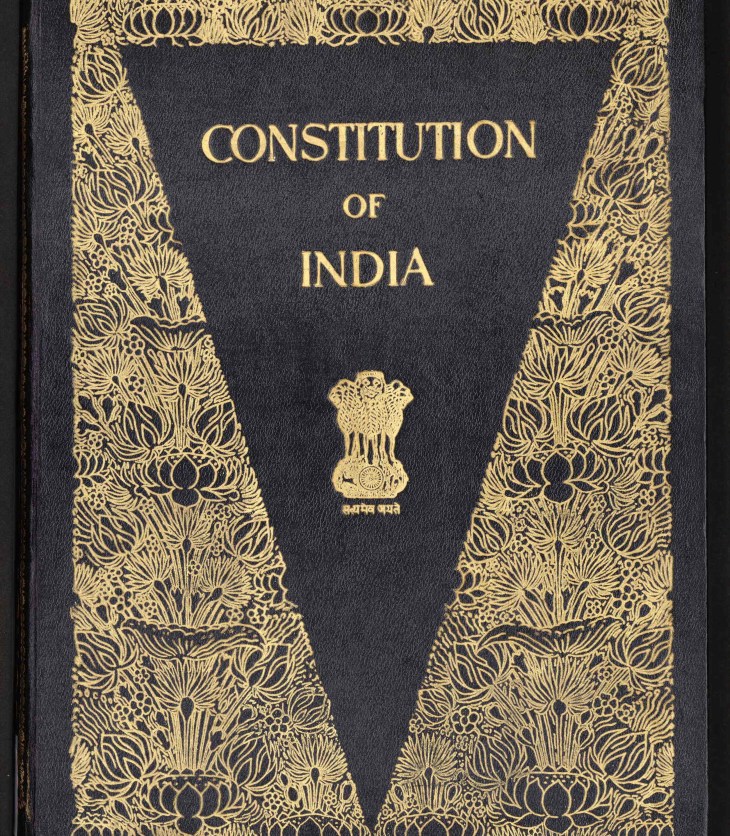
Khosla’s work seems to be an attempt to acknowledge the ‘miracle’ and not just the nightmare of India’s “founding moment.”

By Fayezah Iqbal
I realised that the branches I was clinging on to are still caged in the box of my Android and I was undergoing virtual rigorous imprisonment.
By Paromita Patranobish
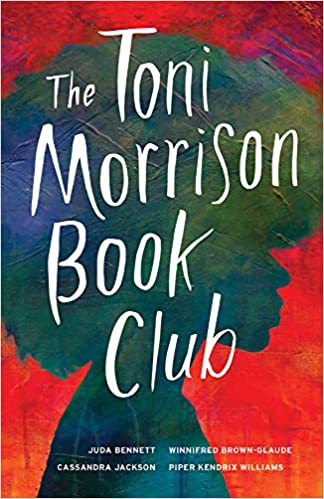
The Toni Morrison Book Club testifies to the enduring relevance of Morrison’s works as an atlas for navigating the racialized topographies of the present.
By Sanjeev Sethi
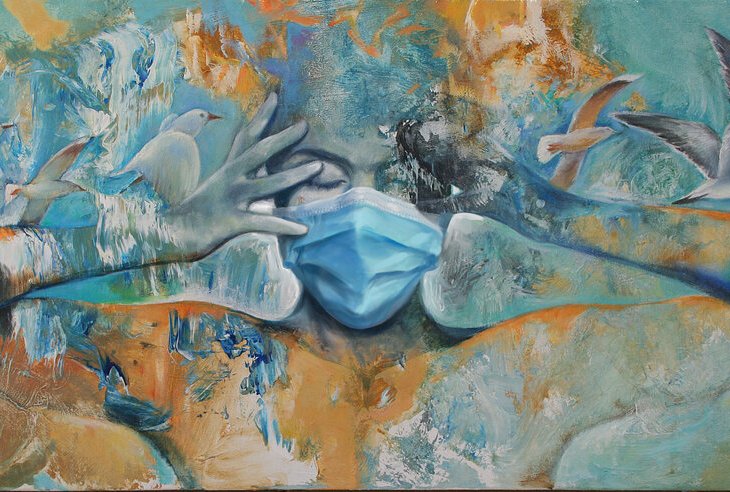
I tried holding a smoke-filled room
in my palm while you ran out of reefers.
By Shinali
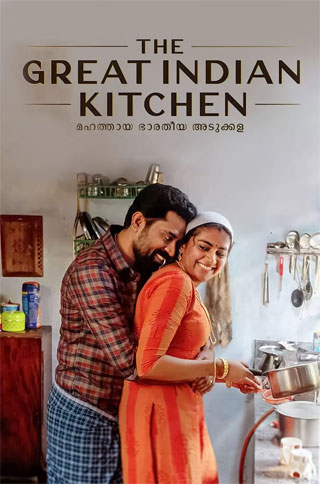
‘The Great Indian Kitchen’ is not a film that celebrates food in all its gloriousness, but one that entails the glorification of unpaid labour in its most prosaic form in the kitchen.
By Muskan Tibrewala
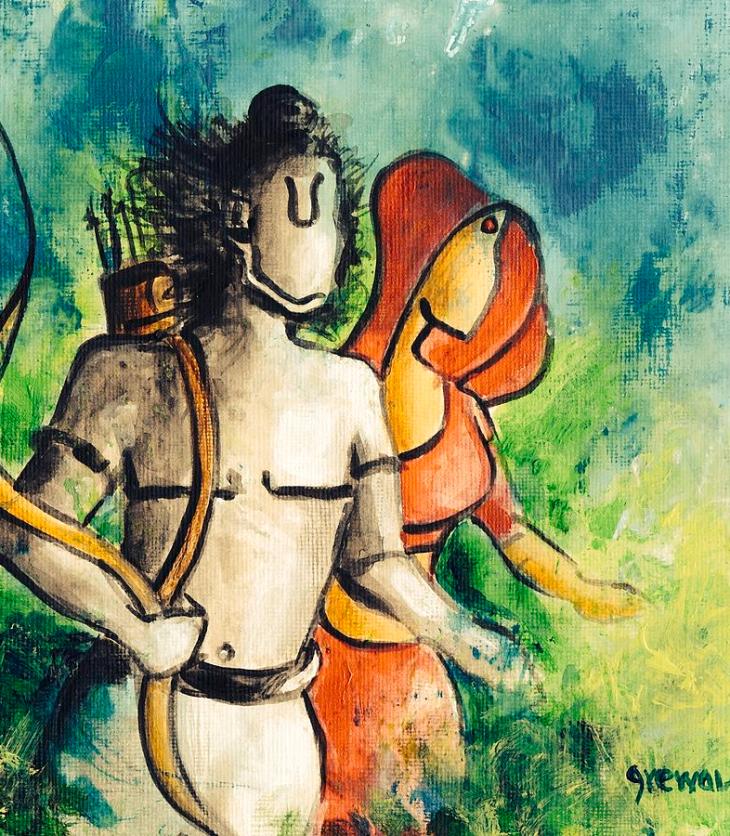
Attending a meeting on “Nafrat ke Khilaf” as a first-year college student, which recognized the twenty-fifth anniversary of the Babri Masjid demolition, I learnt for the first time what was being done in the name of my god,
“Ram ke Naam”
By Kabir Ahmad
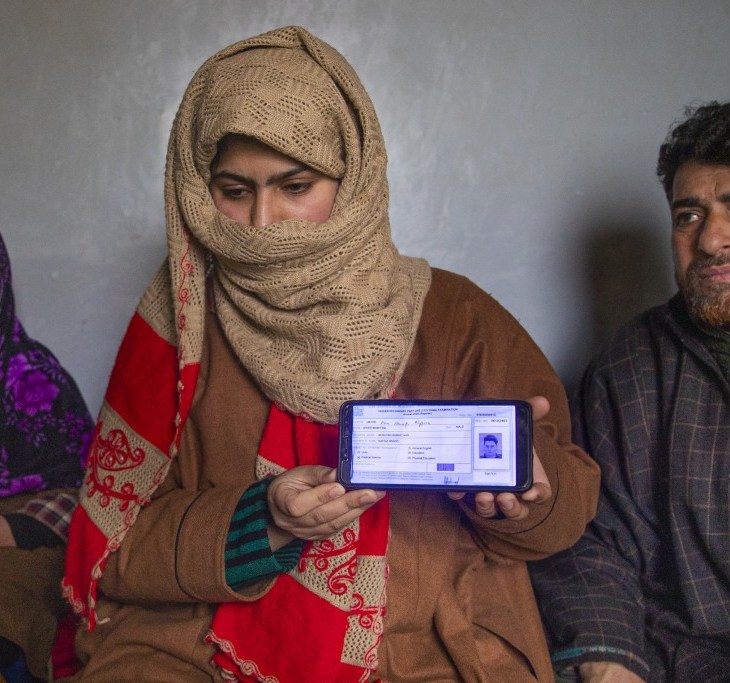
Those who killed you muffled our shrieks as well. Anyone who holds a bit of courage to let out a cry might be taken away and consigned to a horrible fate.
 Cafe Dissensus Everyday