By Priyanshi Kothari
In her latest book- Jungle Passports: Fences, Mobility, and Citizenship at the Northeast India-Bangladesh Border, socio-cultural anthropologist Malini Sur brings to the fore the ethnography of the India-Bangladesh border.


By Priyanshi Kothari
In her latest book- Jungle Passports: Fences, Mobility, and Citizenship at the Northeast India-Bangladesh Border, socio-cultural anthropologist Malini Sur brings to the fore the ethnography of the India-Bangladesh border.

By Waseem Akber Baba, Pratyush Bibhakar & Manasi Sinha
The women in Iran are dancing in the streets, waving their head scarves, and the iconic chopped hair hoisted as a flag to proclaim their agency and foreground how their lives are controlled.
By Rimli Bhattacharya
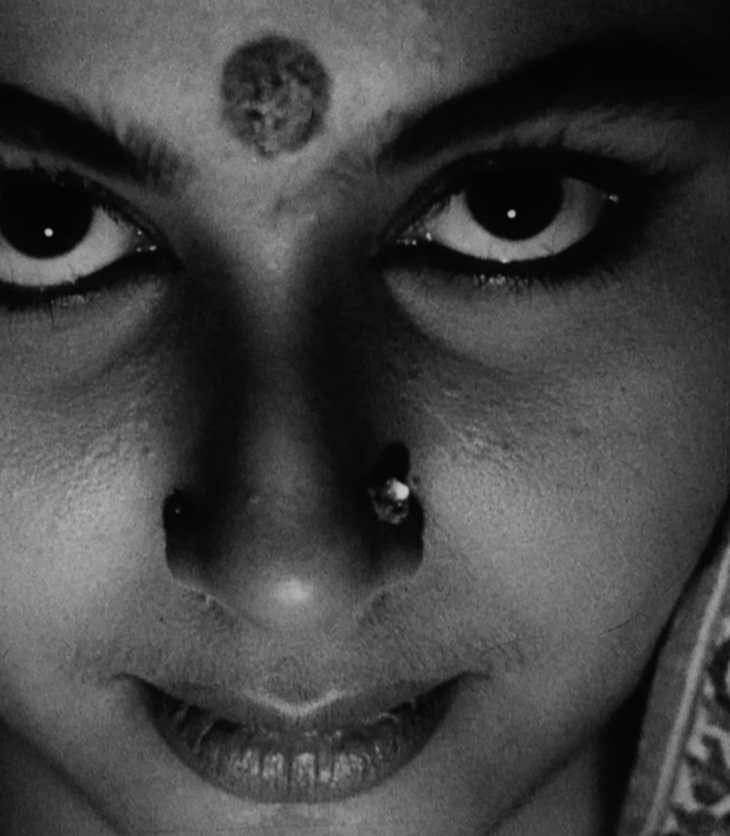
I had unleashed the Kali in me. I had defied all norms and applied the sindoor.

By Tanya Kainaat
One would have to take a closer look at the term ‘cultural pluralism’ in order to truly appreciate Sir Syed’s contributions to the cause of human enlightenment.

By Anwesh Satpathy
After his release from prison and the lifting of restrictions on his movement, Savarkar was welcomed by major leaders of the Congress including Jawaharlal Nehru, Subhash Bose and C Rajagopalachari.

By Saurov Hazarika
If we want to save our language, save our culture, there are hundred other ways. Sacrificing the future of a poor child from a small village isn’t an option.
By Niveditha Prasad
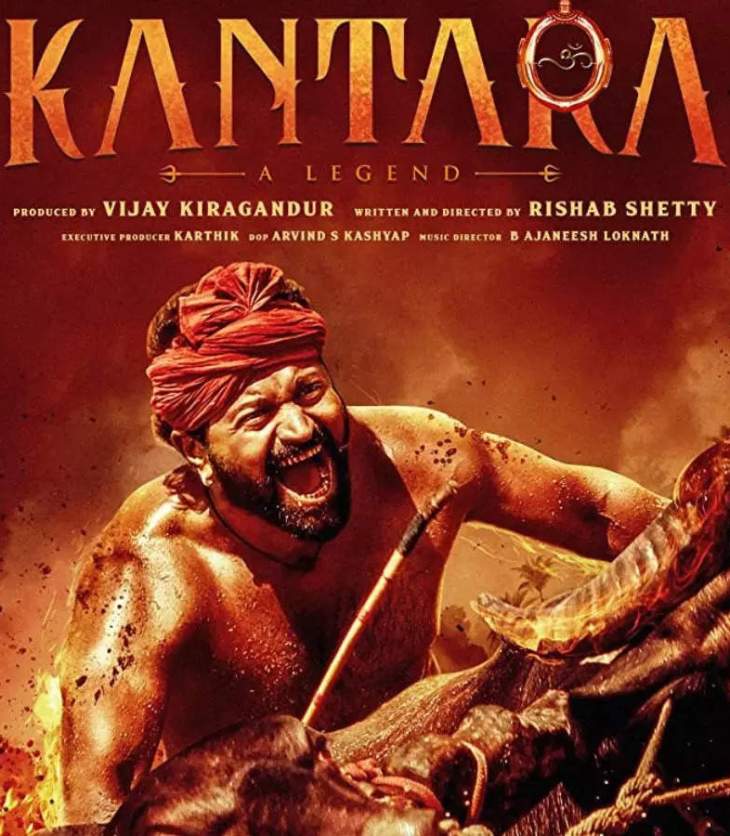
The state in ‘Kantara’ is an ambiguous presence whose place in the narrative is grey. It appears as the post-colonial state in 1990, in an India at the cusp of neoliberalism. There are bikes, telephone poles, bottled soda drinks and freely flowing Scotch.
By Atreyee Majumder
Kaminsky yearns in the way that I have only seen Shahid Ali yearn and probably no one else. There is no way out of empire, of America, of war, of trauma. The only escape is the madness of language.
By Ananya Dutta Gupta
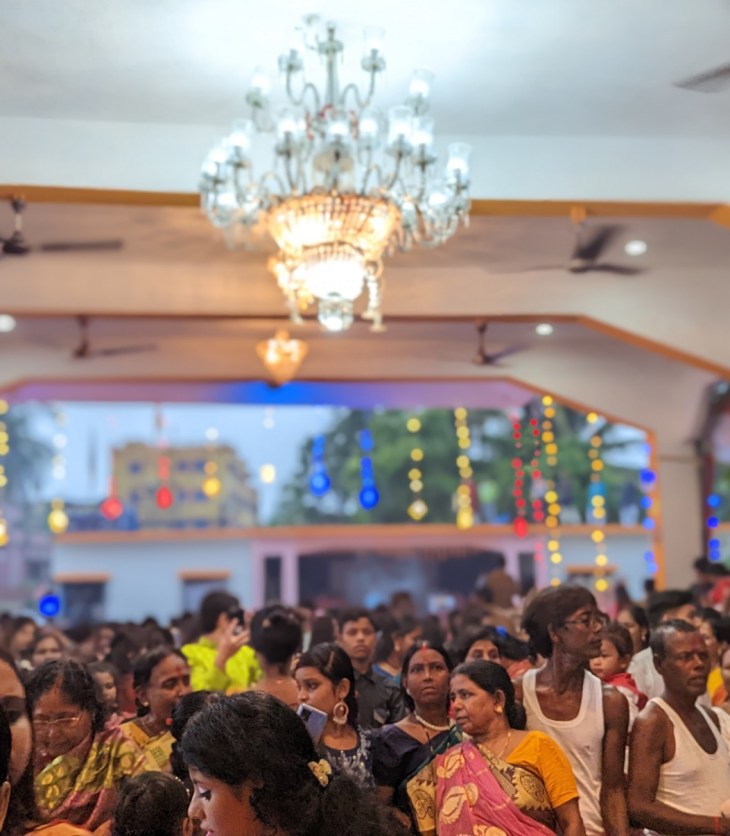
To me it seemed that Durga is the embodiment of this spirit of primitivity, apotheosised into heritage, which is retrieved and revived annually, ritualistically, as a token of reverence and acknowledgement, precisely because it cannot be lived with.
By Rimli Bhattacharya
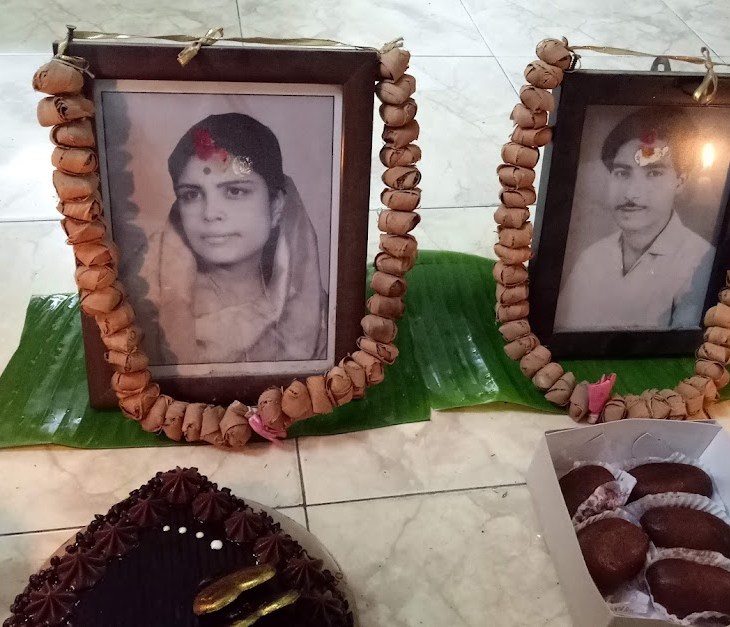
Tranquillity adorned her face tonight. I could still feel the healthy glow of her skin. I had touched her hand. It was ice cold. I had kissed her forehead as I knew it would be my last goodbye.

By Sarthak Virdi
Through personal accounts of the victims of the violence of the 1984 riots and Partition, in particular women, Veena Das weaves an analysis of how gender shapes the experience and reparation of pain.
By Rajesh Kumar Sinha
On Pakistan and China, the two most difficult Indian neighbours since 1950s and 1960s, Modi’s foreign policy seems evolving and moving in line with the greater national interests of the nation.
By Namrata Pathak
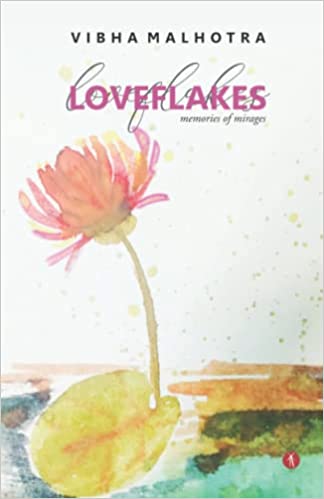
Like Barthes, in Malhotra’s poems, too, we come across the lover’s inner monologue, in which the readers will find themselves anchored or at least recognize a speck of their personality or a part of their being.

By Mohammad Asim Siddiqui
All through the book, Satpathy argues how the very idea of nationalism, which contains many contradictions, is not only a result of some controversies but it also leads to many fresh controversies.

By Prabhavathy K
Marvel is not really a ‘universe’ but a very localised project, shaped by the practices and attitudes of the larger American film industry. This is typical of Hollywood that markets itself as a producer of global culture but is filled with odd loopholes of narrow vision.
By Shahid Jamal
It is shameful that in a country where everyone is celebrating Azadi ka Amrit Mahotsav, a nine-year-old Dalit boy was beaten to death by his upper caste schoolteacher for drinking water from his pot.
By Arshad Azmi
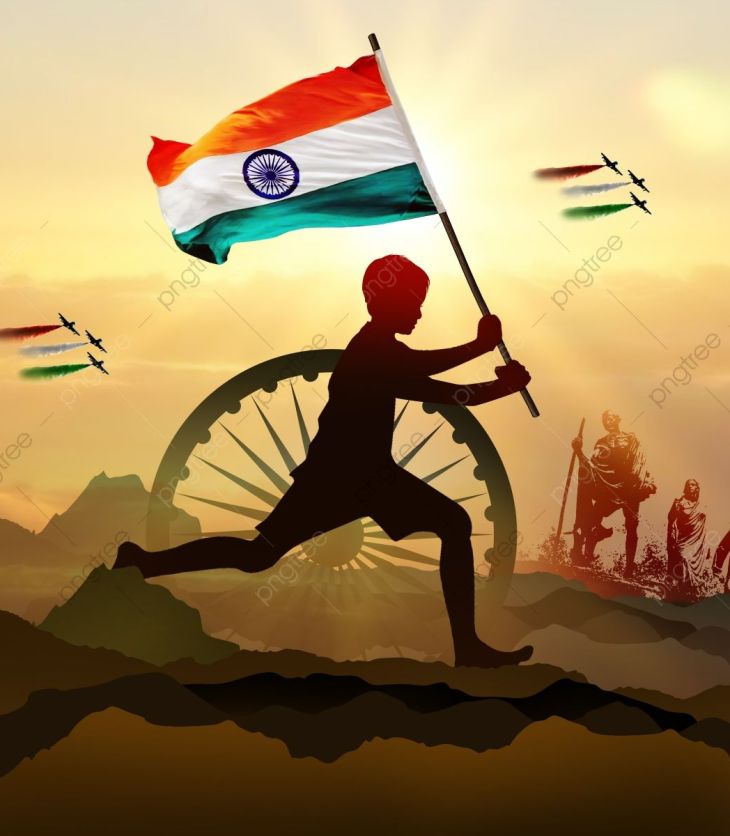
“Azadi Ka Amrit Mahotsav” would have been more successful if it had focused on the prevention of rising religious fundamentalism, fanaticism, orthodoxy, and intolerance, which are bent on hollowing out the diversity of our peaceful, democratic, and tolerant society, instead of making citizens comply with the norms of displaying flags in or outside of residences.
By Dustin Pickering
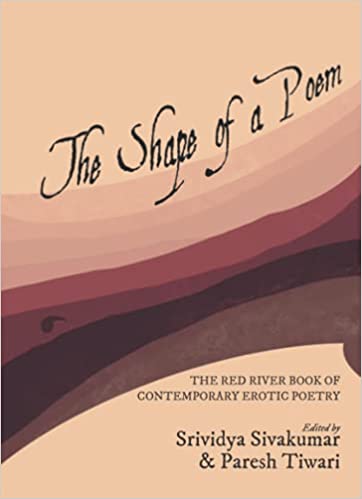
Srividya Sivakumar and Paresh Tiwari’s anthology, The Shape of a Poem: The Red River Book of Contemporary Erotic Poetry, heartily admits through many of its poets, the erotic stimulates the imagination but is something that remains unfulfilled.
By Md. Firoj Ahmmed
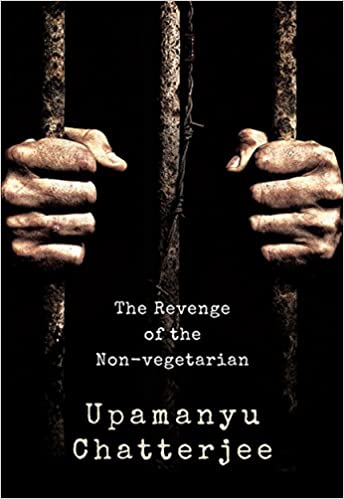
Although The Revenge of the Non-vegetarian is not like Chatterjee’s ground-breaking debut novel English, August, he certainly raises some grave religious and political questions that have beset contemporary India.

By Gautam Bisht
But how could this be, that two communities sharing the same socio-political reality develop their own meanings of the word secular?
 Cafe Dissensus Everyday