By Neera Kashyap
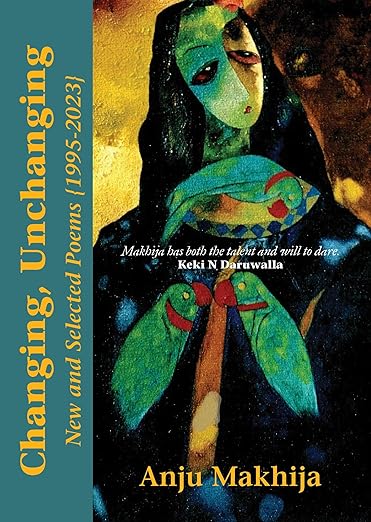
It is this diversity of talent in multiple genres that is reflected in Makhija’s new collection of poems, ‘Changing, Unchanging: New and selected poems (1995-2023), published by Red River.

By Neera Kashyap
It is this diversity of talent in multiple genres that is reflected in Makhija’s new collection of poems, ‘Changing, Unchanging: New and selected poems (1995-2023), published by Red River.
By Rajorshi Patranabis
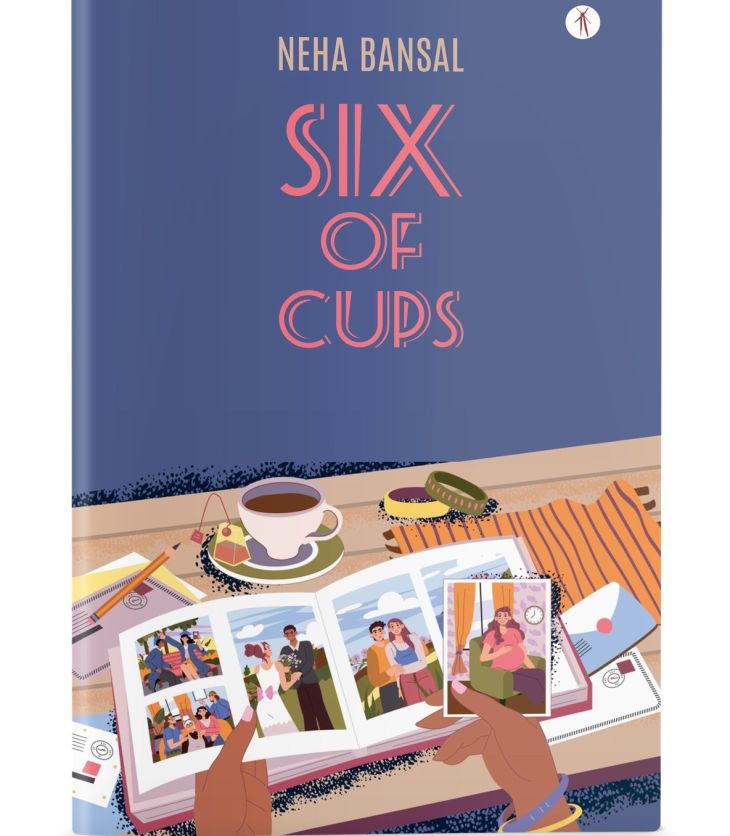
Neha Bansal’s collection of poems, Six of Cupa, published by Hawakal Publishers, is a book of myriad nostalgia delving into the depths of mostly forgotten human emotions.
By Ananya Dutta Gupta
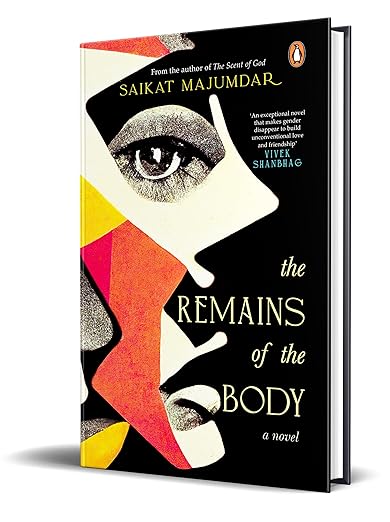
Saikat Majumdar’s The Remains of the Body suggests a decisive move in the author towards écriture feminine.
By Sreemati Mukherjee
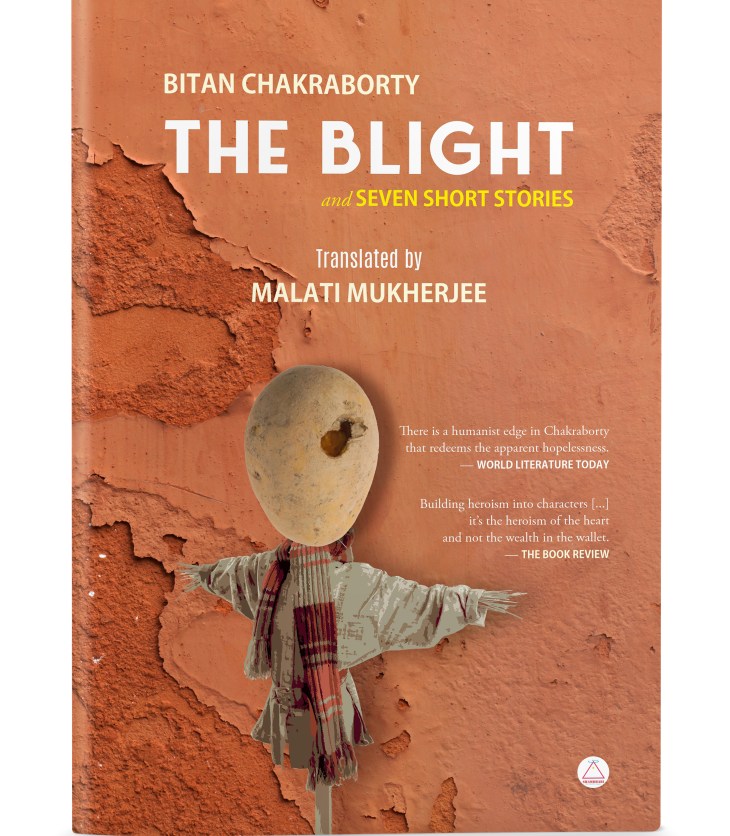
In practically every story, there is a narrative of human greed that has gone awry; of innocence corrupted by the real world; of the inability of the human being, usually all male in this collection of stories, to retain idealism and incorruptibility.

By Jagari Mukherjee
The Buddha in Buddha and Void is the symbol and metaphor of true love – a lotus blooming in the hidden depths of the lover’s soul.
By Rakhi Dalal
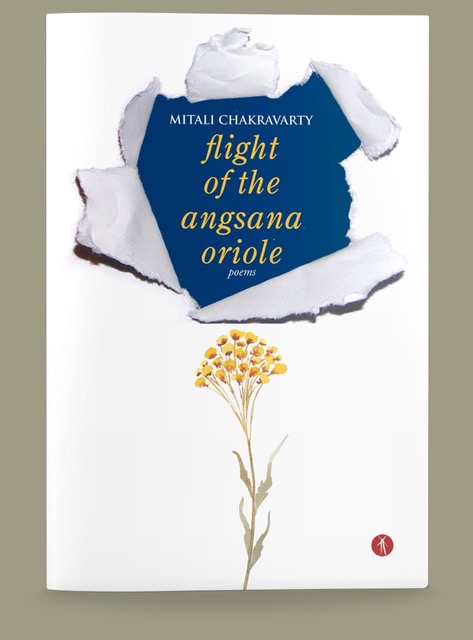
The poems in Mitali Chakravarty’s ‘Flight of the Angsana Oriole’, contain stories of hope, wonder, love, despair, loss, and grief.
By Neera Kashyap
In ‘Quarterlife’, Devika Rege traces several issues to their roots: the search for identities and values in contemporary living and the shocks these unleash; the origins of religious and political intertwining; the causes of family ruptures and rapprochement; the subliminal feelings of Dalits and half-castes; of educated and semi-literate minorities; of impassioned nationalists; of gays with their struggles of coming out in the open.
By Mohammad Asim Siddiqui
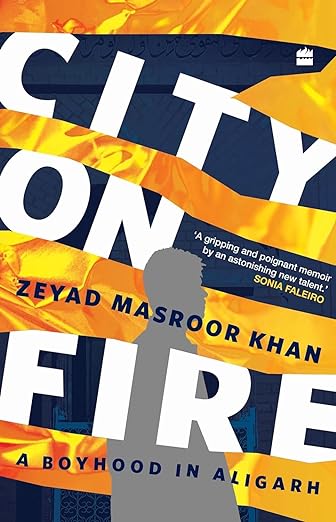
Thoughtfully titled, Zeyad Masroor Khan’s coming of age memoir ‘City on Fire: A Boyhood in Aligarh’, the word fire in the title of the book captures the riot-prone history of Aligarh and the volatile nature of peace that exists in the town.
By Nishi Pulugurtha
Gopal Lahiri’s ‘Crossing the Shoreline’ reveals a mature poet working on his craft and fashioning new forms in ways that only a prolific poet can.
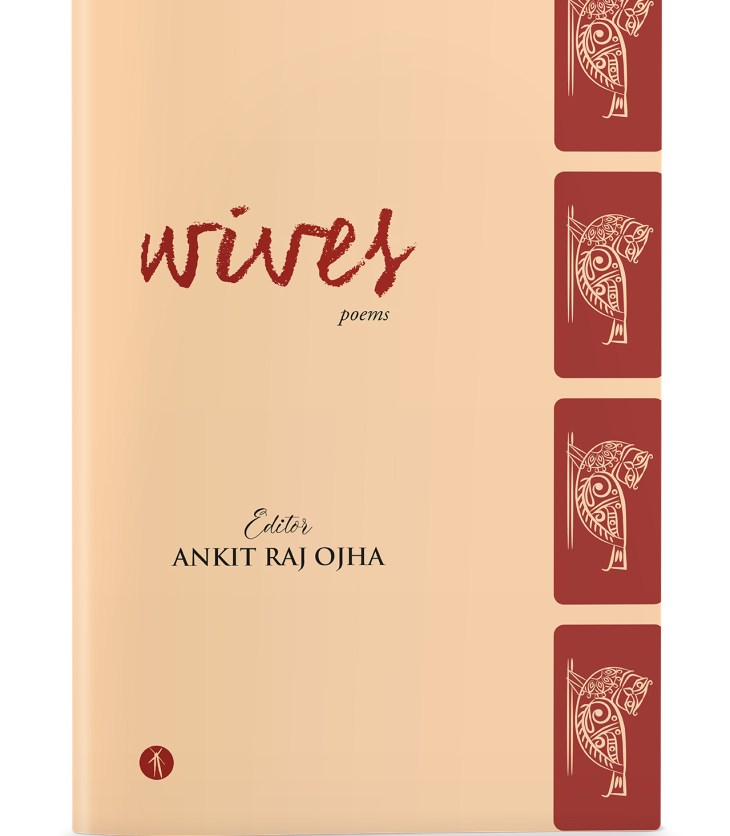
By Somudranil Sarkar
Wives is a unique collection. Ankit Raj Ojha has curated and edited this wonderful collection with such finesse that it demands special attention.
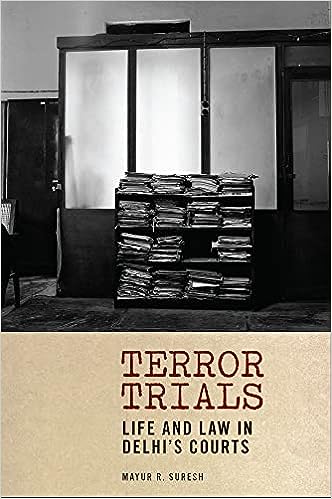
By Aditi Ajay Pophare
In ‘Terror Trials: Life and Law in Delhi’s Courts’, Mayur Suresh, through on-field encounters with terror trials in Delhi courts, brings out the intimate relationship between the law, police, and those in conflict with the law.
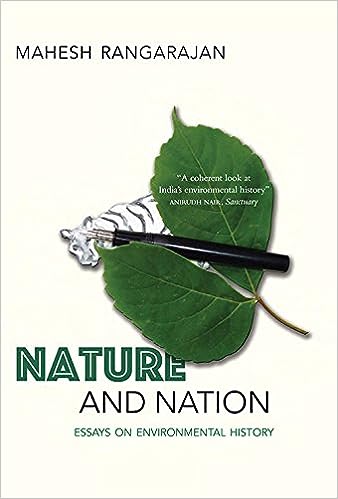
By Priyanshi Kothari
Mahesh Rangarajan’s Nature and Nation is a multidisciplinary inquiry dealing with the various strands of nation-building and its effect on ecology.

By Vagmi Singh
Packed with engaging writing, Deborah Levy’s ‘Things I Don’t Want to Know’, a living autobiography, offers powerful insights into the complexities of identity, power struggle and social justice.
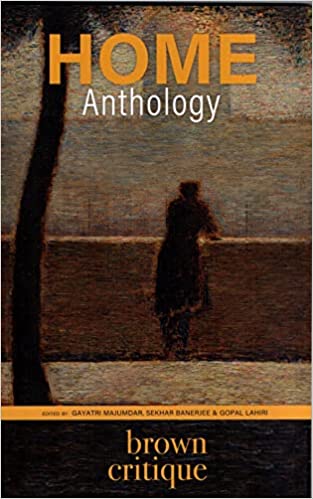
By Nishi Pulugurtha
‘Home Anthology’ is marked by a “plurality of approach” and it is this plurality that strikes one as one reads the poems in it.
By Dustin Pickering
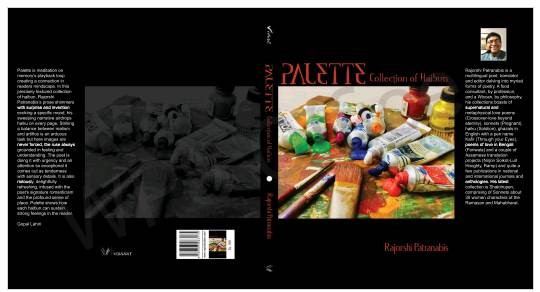
Rajorshi Patranabis ‘Palette’ is an appropriate title as the collection is riddled with colors defining moods and actions throughout.
By Shuma Talukdar
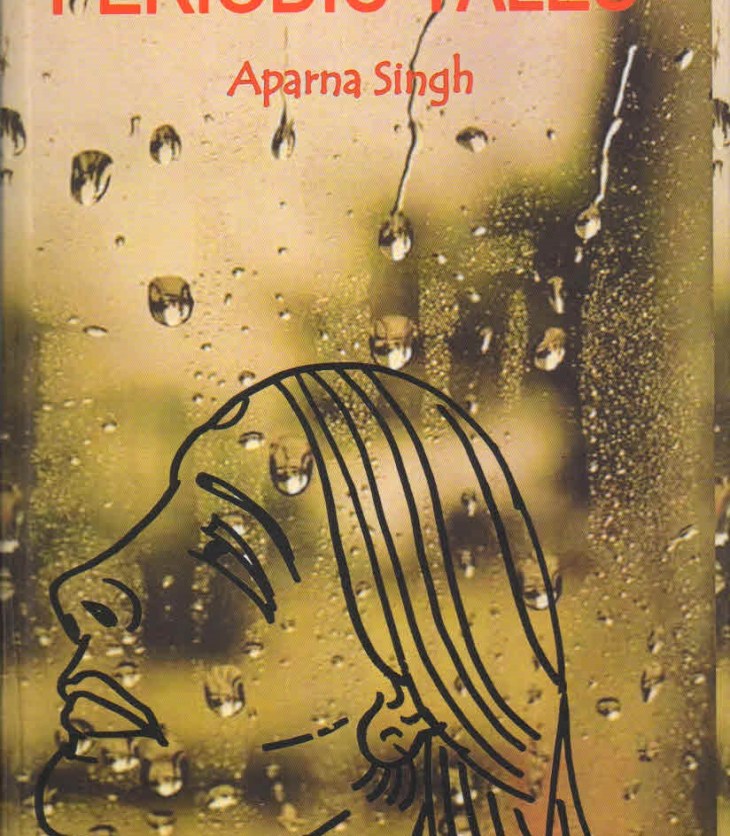
Aparna Singh’s collection of short stories, ‘Periodic Tales’, adeptly covers how menstruation is experienced by women from different walks of life, from different sections of society, in different parts of India.
By Somudranil Sarkar
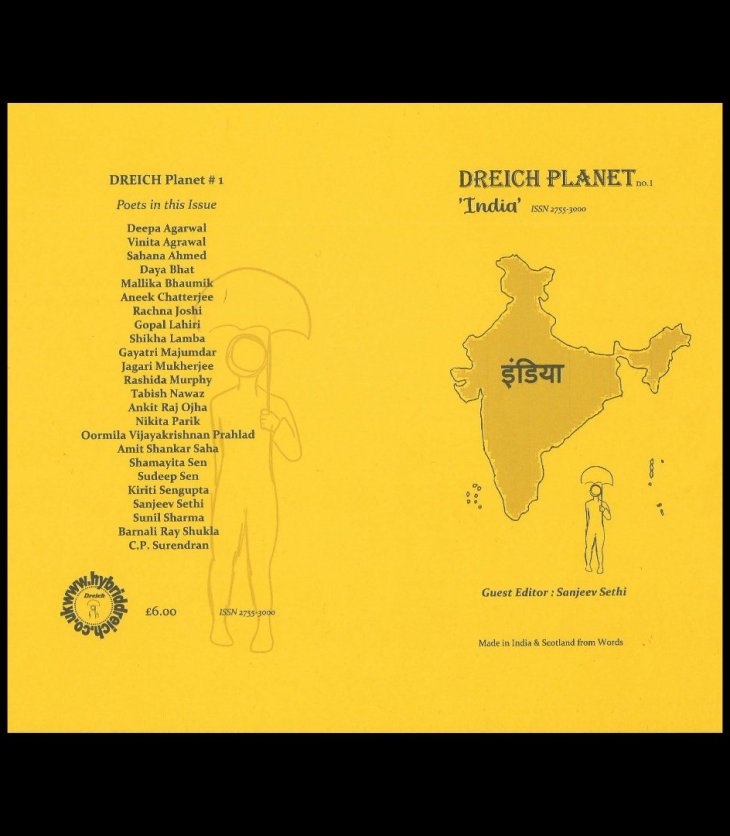
‘Dreich Planet India’, edited by Sanjeev Sethi (a handmade chapbook made in Scotland, published by Hybriddreich Limited Dunfermline), emerges as germane to the poetry celebrating Indian Independence.
By Aamir Raza
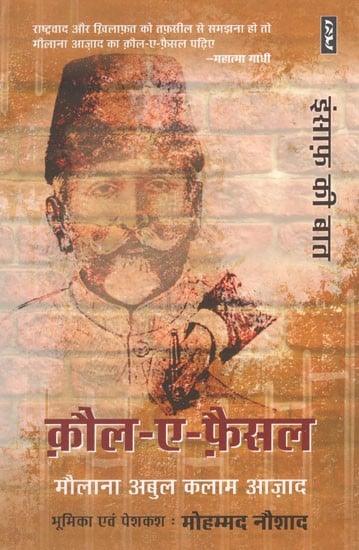
Maulana Azad’s ‘Qaul-e- Faisal; Insaaf Ki Baat’ is a must read in today’s socio-political time, where sedition as an undemocratic tool is used by elected governments to suppress the voices of people.
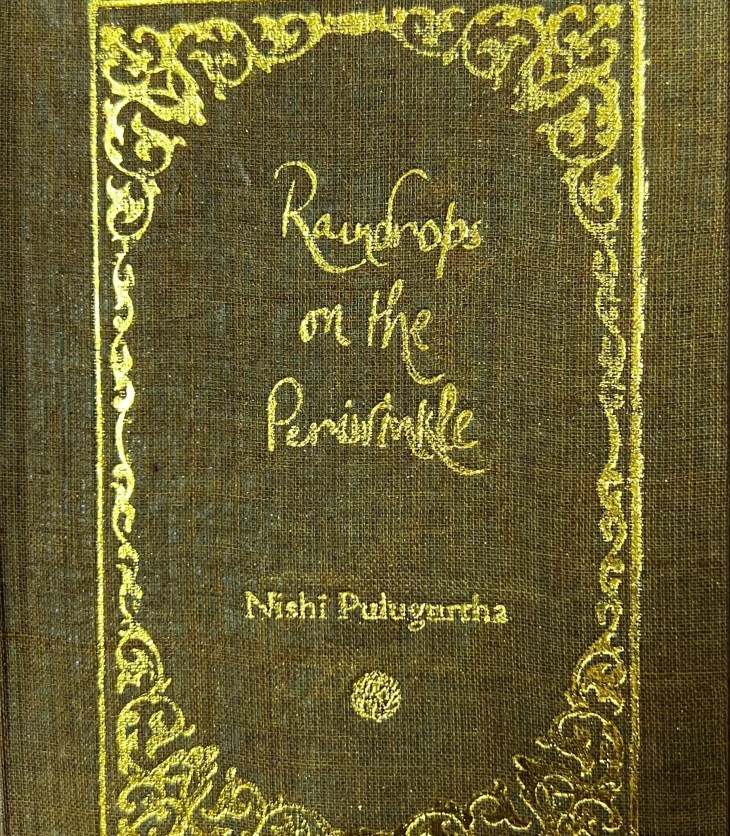
By Gopal Lahiri
Raindrop on the Periwinkle opens up a new vista in form poems and stands out for its sheer promise and startling originality and quietness.
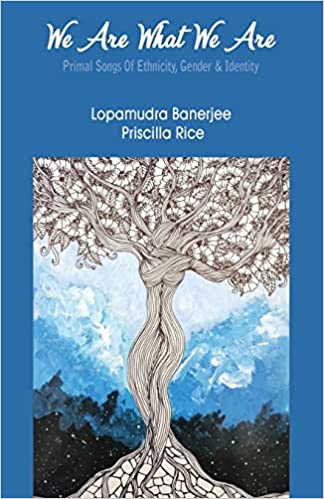
By Chaitali Sengupta
This volume of poetry has turned out to be a valuable discourse on cultural dualities, hybrid identities, emphasizing on paradox, conflict, feminism, and marginalization. It deserves a wide readership.
 Cafe Dissensus Everyday