By Prithvijeet Sinha
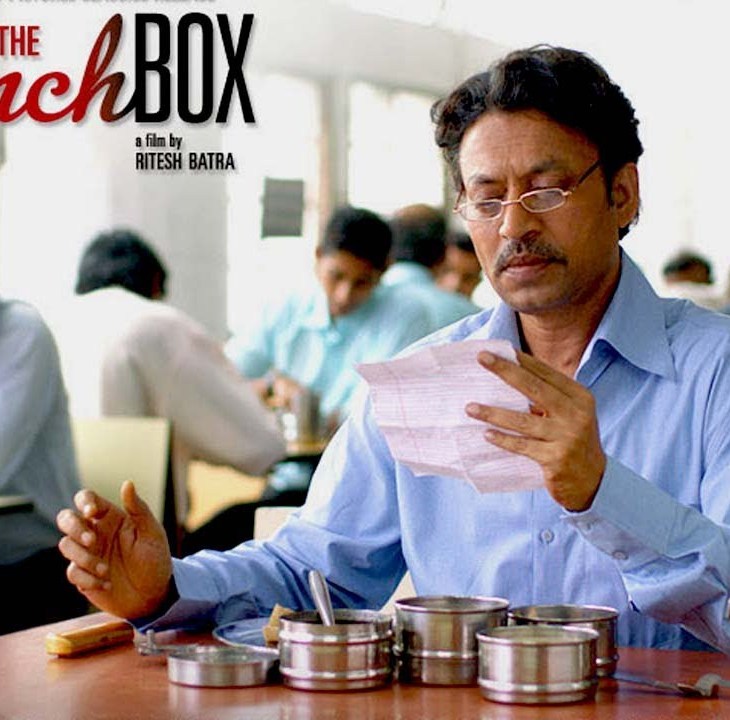
Soaked in silences, The Lunchbox is uplifting modern cinema that stays true to its humanist heart and hardly loses touch with it. It bundles wit, personal discovery, practical wisdom and unrequited desires.

By Prithvijeet Sinha
Soaked in silences, The Lunchbox is uplifting modern cinema that stays true to its humanist heart and hardly loses touch with it. It bundles wit, personal discovery, practical wisdom and unrequited desires.
By Javid Majeed
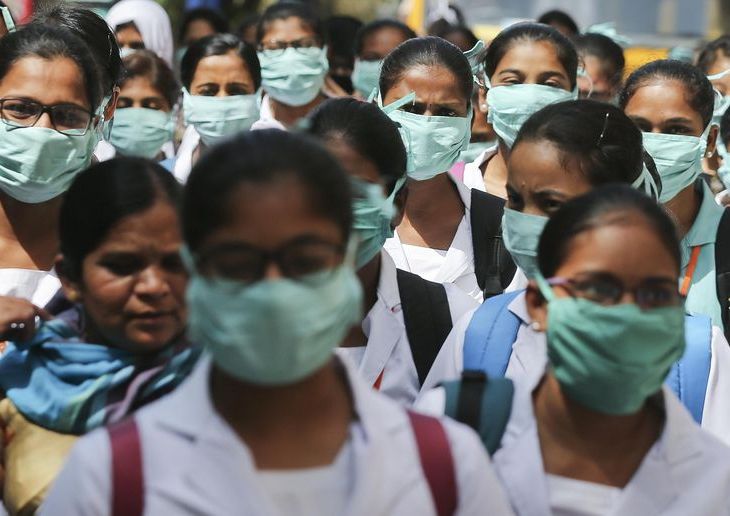
As the pandemic continues, it is important to support children and adolescents facing bereavement and issues related to parental unemployment or loss of household income.
By Aafiya Siddiqui
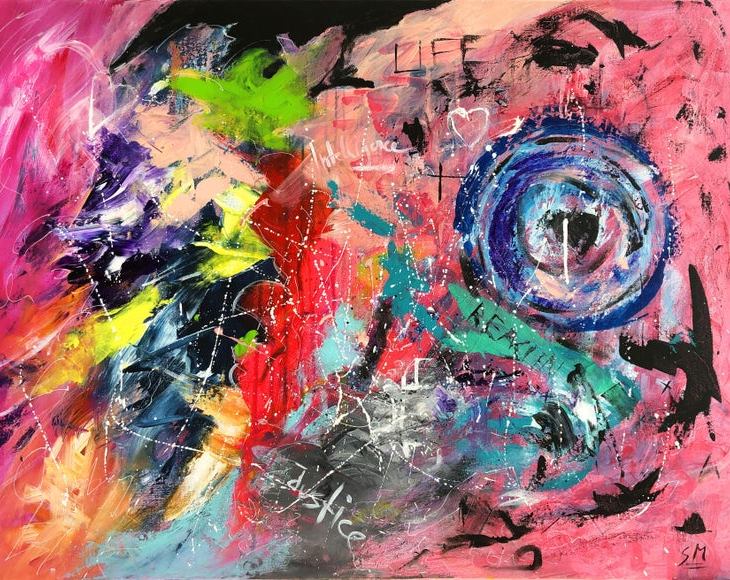
Now I envy the lamenting pens
And pheonix tears of mourning eyes
For mine have dried
Turning the fissure of heart
into deep voids.

By Mohammed Mishad K
While Macbeth gives an opulence of linguistic vigour, Akira Kurosawa’s film is a landmark in cinematic visual brilliance.

By Madhu Singh
Whereas The Plague became a bestseller in Corona crisis across the globe with publishers rushing reprints, not much is known about Sartre’s Typhus French playscript which was published in 2007 having vanished from sight for almost sixty years.
By Somok Roy
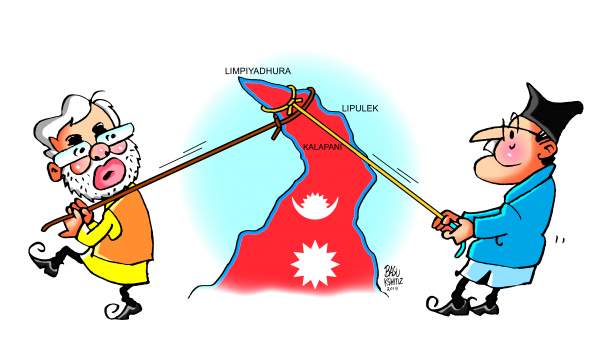
Nepal could plausibly be an intimate other, thanks to its Hindu credentials – the difference could just be of a cartographic border, and not a pressing alterity in which the other is also a dangerous threat, the abnormal.
By Anindita Das
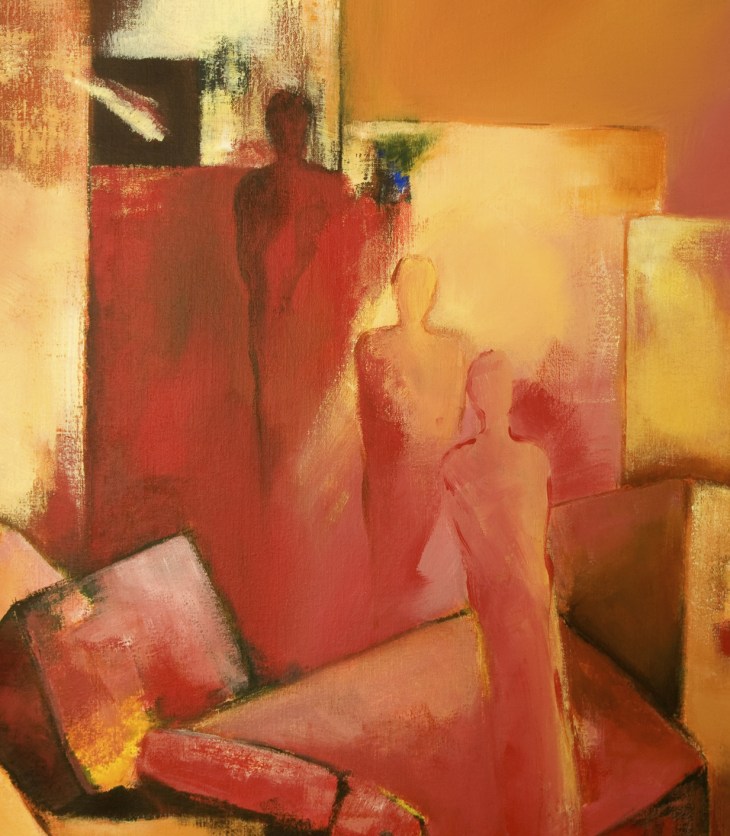
The departmental stores in Kolkata appeared ‘tiny and crowded’ in comparison to Walmart or Sam’s. All of a sudden the crowd that he had grown up around seemed ‘intimidating’.
By Anasuya Bhar
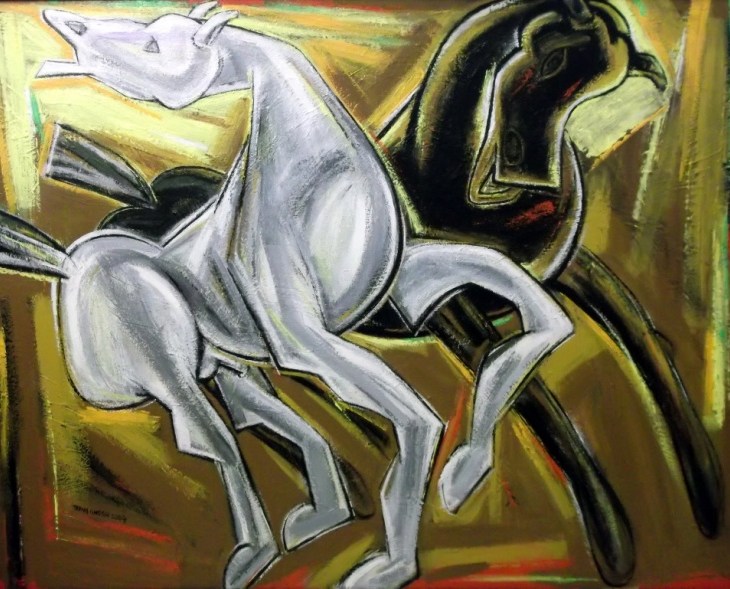
The horse, always hardworking, could have signified the struggling self of the artist as well. To Ghosh the horse is also an emblem of fantasy, those creatures of the imagination who he could always saddle with a pair of wings reminiscent of the fabled Pokkhiraaj or the Pegasus.
By Mitali Chakravarty
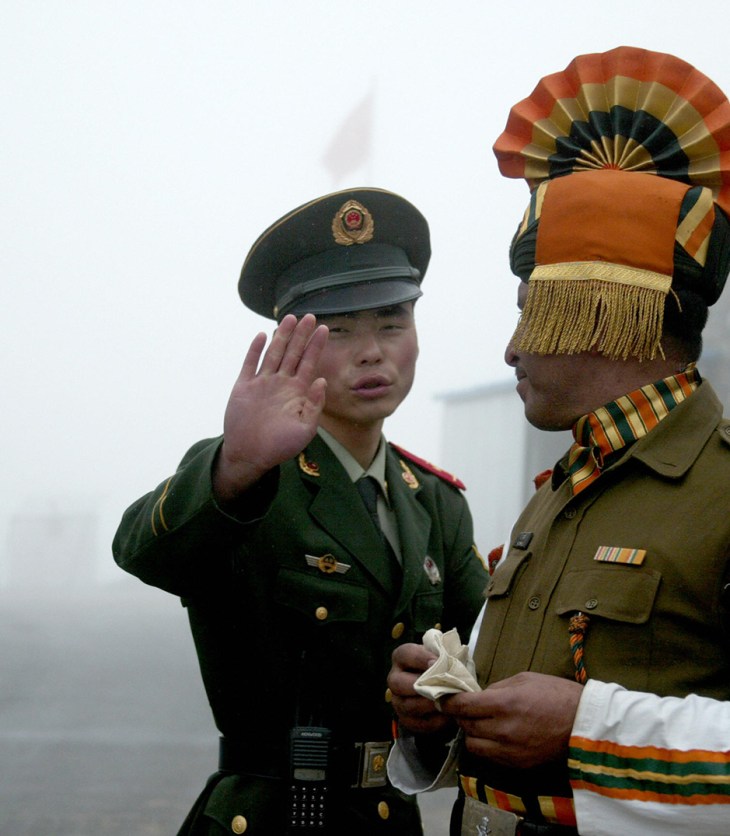
Why perpetrate borders drenched in blood
while Lalon only sings of Humanity and Love?

By Sarpreet Kaur
Many divorces happen in the modern age not because of a particular reason but because of the lack of reasoning.
By Priyanka Yadav
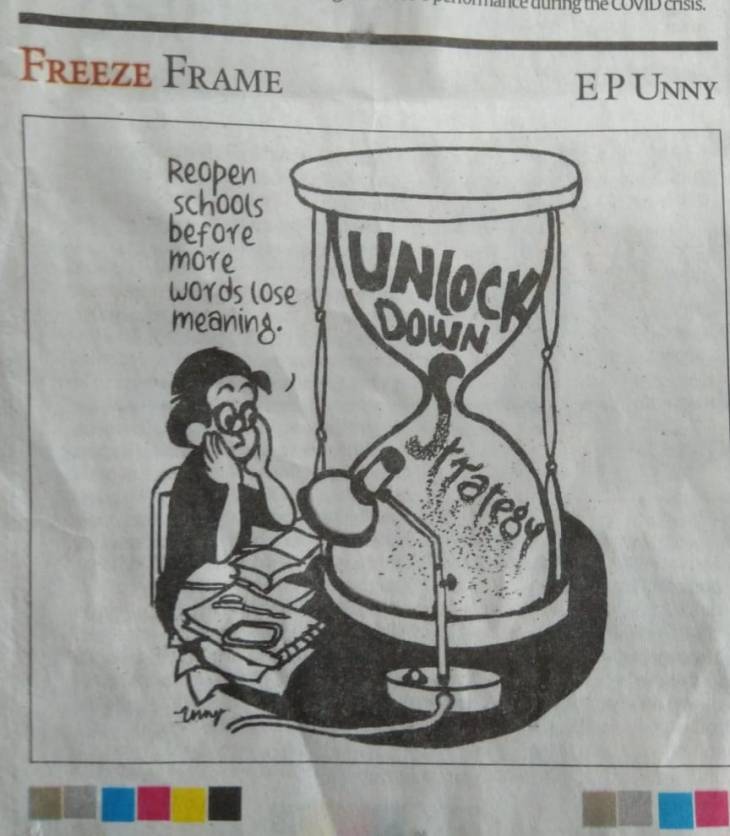
Stuti (name changed), a class 6 student from a remote village, sighs as she says, “Ma’am sends me worksheets but sometimes I am unable to understand the questions because she sends an audio file on WhatsApp. Maybe if she could send a video, it will be comprehensible to me.”

By Michael R. Burch
At last, done with learning, I stumbled
to a well where the waters seemed sweet:
the mirage of American “justice.”
There I wept a real sea, in defeat.

By Nishi Pulugurtha
The lockdown has put brakes to much of all the hair grooming that many of us are used to. A dear friend who called up this morning announced that she had decided not to colour her hair anymore.
By Saniya Ahmad
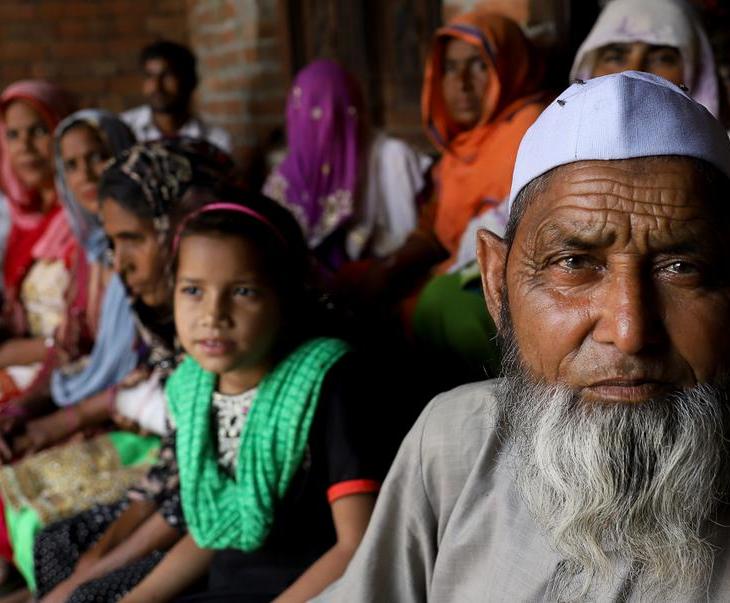
Contrary to popular belief, Mr. Modi did not disrupt harmony between Hindus and Muslims because that harmony existed only superficially. He exacerbated a deeply entrenched anti-Muslim sentiment, creating a favorable climate for his bigoted politics to thrive.
By Mubashir Karim
Sometimes,
Clarity is not what one wishes for –
Voice-breaks are needed to overwrite
The beginnings of love affairs
The-strangers-yet-to-meet kind of narratives
Over the everyday details.
By Sukla Singha
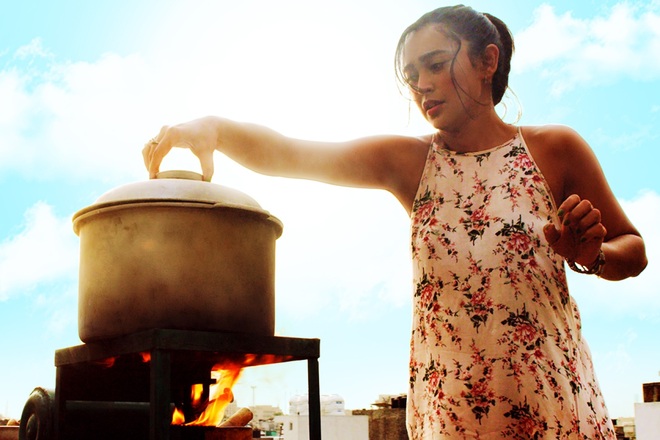
But Axone is not just about the taboo of cooking a ‘weird smelling’ food, but it’s also about the ‘otherness’ of the tongue, about how accent and pronunciation are indicators of where an individual comes from.

By Sabreen Ahmed
The act of taking the law into one’s own hands as a vindictive action of wild justice can never be the solution to any social problem. The need of the hour is to have social sensitization and an Anti-Lynching Bill for the state to check the growing menace of mobocracy in post-Covid Assam.
By Mosarrap H Khan
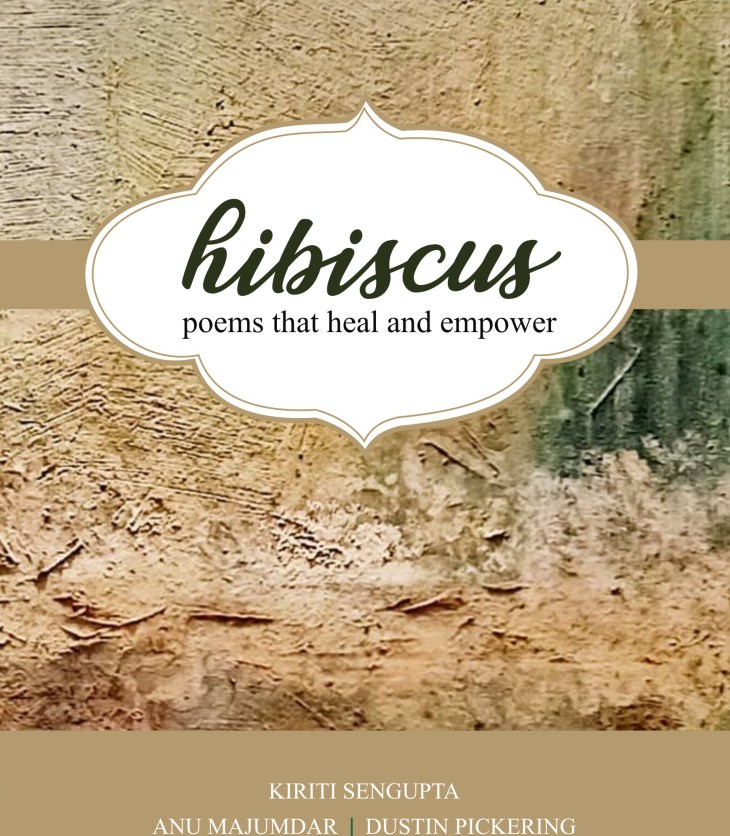
Kirti Sengupta, Anu Majumdar and Dustin Pickering’s Hibiscus: Poems that heal and empower encapsulates the role and duty of a poet in times of pandemic in much the same way Pushkin imagined doing it: by empowering us to think beyond death.

By Rashi Bhargava & Richa Chilana
The conventional wisdom of our society, as pointed out by Shilpa Ranade, Sameera Khan and Shilpa Phadke in their book, Why Loiter: Women and Risk on Mumbai Streets (2011) is that “a loitering woman is up to no good. She is either mad, bad or dangerous to society.” Who would have thought that we will be living in a time when a loitering anybody is “mad, bad or dangerous to society.”
By Syed Basit
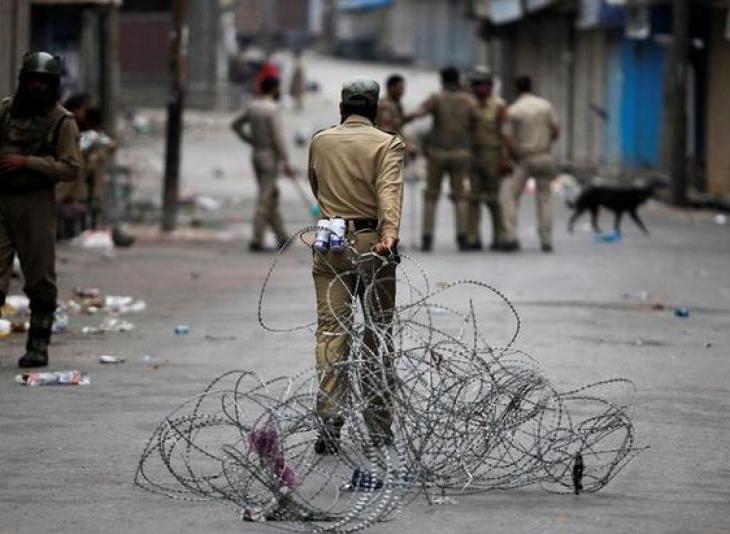
It is pertinent to mention that the new domicile rules are against the main purpose of the parent statute (Reorganization Act) which was passed in order to eradicate the problems of unemployment in the UT of J&K as the Modi Government claimed while passing the Act.
 Cafe Dissensus Everyday