By Abani NA
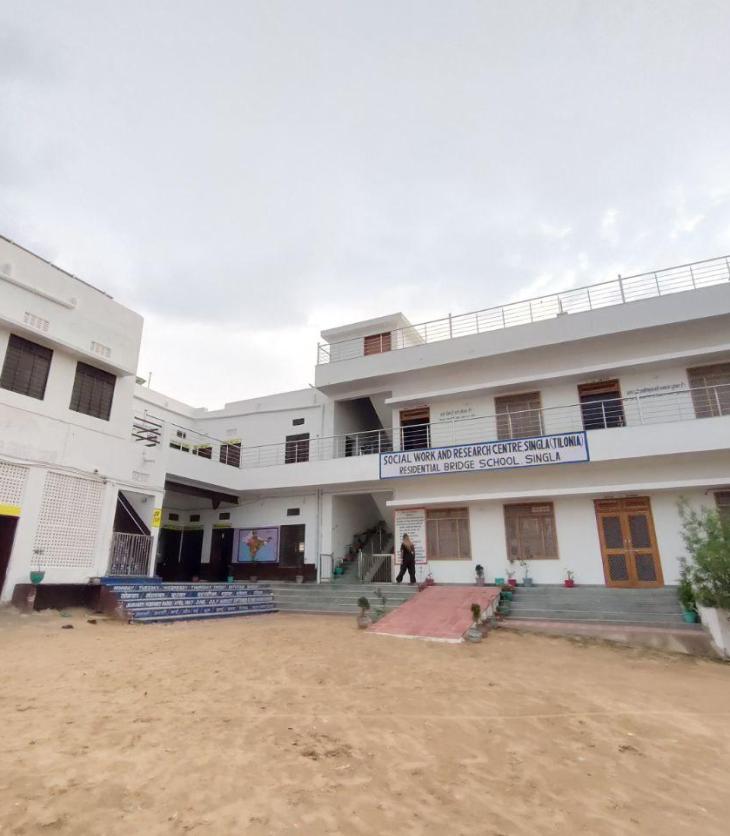
I then joined Teach For India and today I am working as a teacher in a low-income school in the vibrant cultural and commercial heart of Gujarat.

By Abani NA
I then joined Teach For India and today I am working as a teacher in a low-income school in the vibrant cultural and commercial heart of Gujarat.
By Neera Kashyap
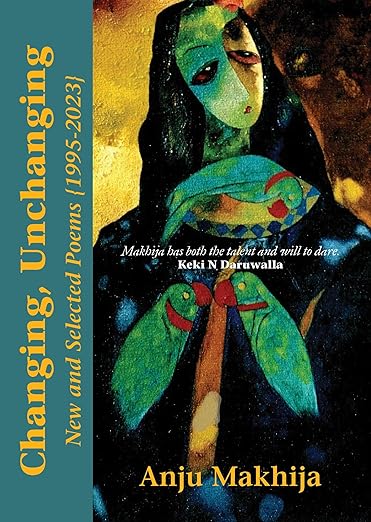
It is this diversity of talent in multiple genres that is reflected in Makhija’s new collection of poems, ‘Changing, Unchanging: New and selected poems (1995-2023), published by Red River.
By Rajeswari Sarangi
Bound in shadows,
can our last wishes
morph into a wandering
minstrel of our spirits?
By Rajorshi Patranabis
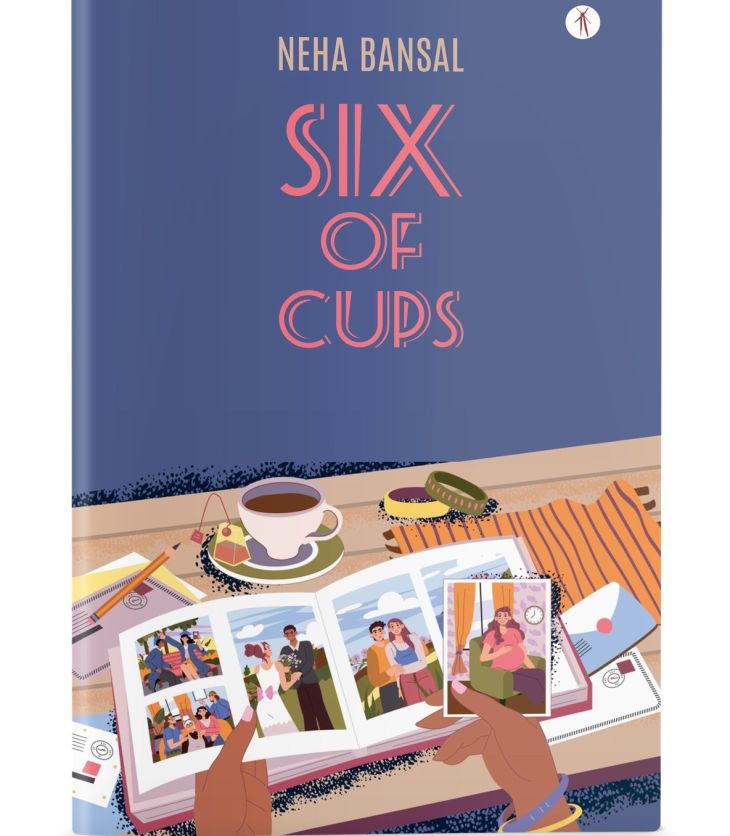
Neha Bansal’s collection of poems, Six of Cupa, published by Hawakal Publishers, is a book of myriad nostalgia delving into the depths of mostly forgotten human emotions.
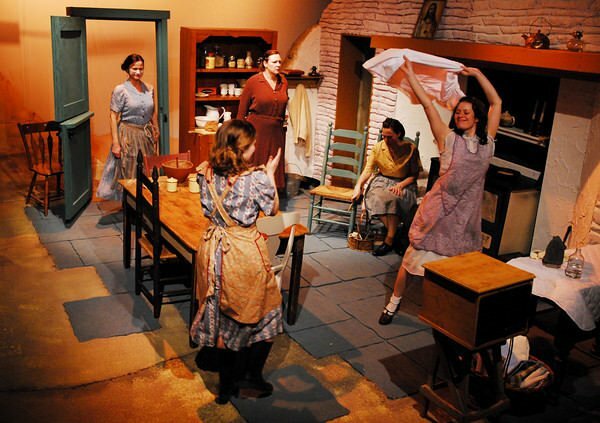
By Ishaan Singhee
The messenger has remained an enigmatic character in theatre. The messenger can be traced through various eras of theatre and has remained a prominent part of larger-than-life Greek tragedies.
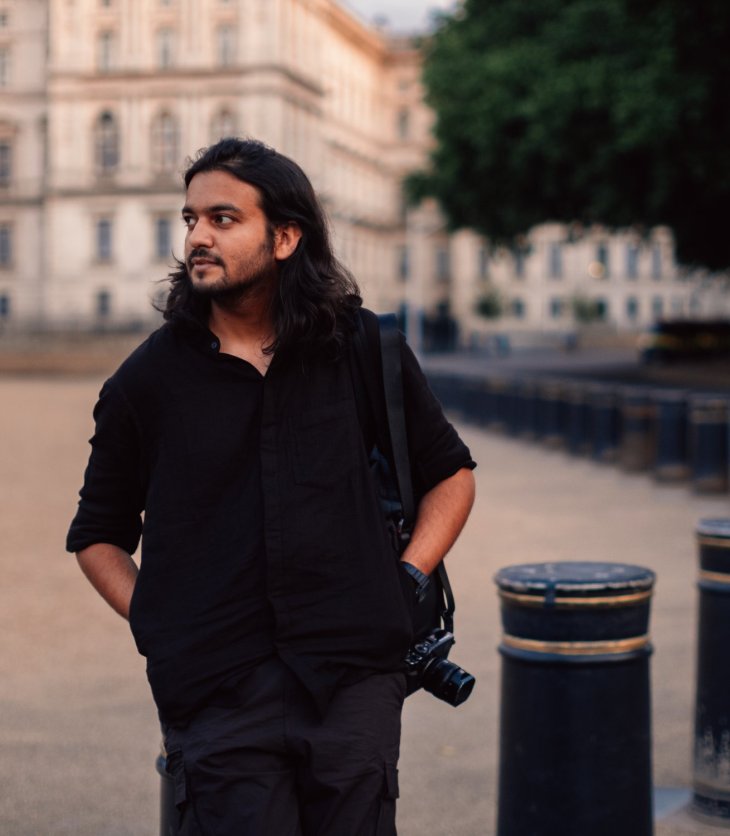
By Tathagat Banerjee
Achal Mishra has named his production company Achalchitra Productions. As the very name suggests, his films challenge and subvert the very concept of chalchitra (moving images) with their achalchitra (still images/ frames).
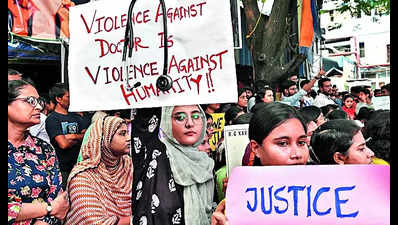
By Shahid Jamal
The increasing incidence of crimes against women can be traced back to historically entrenched power structures. The root of this violence lies in the structured power dynamics between men and women, which are deeply embedded in Indian society and reinforce patriarchy.
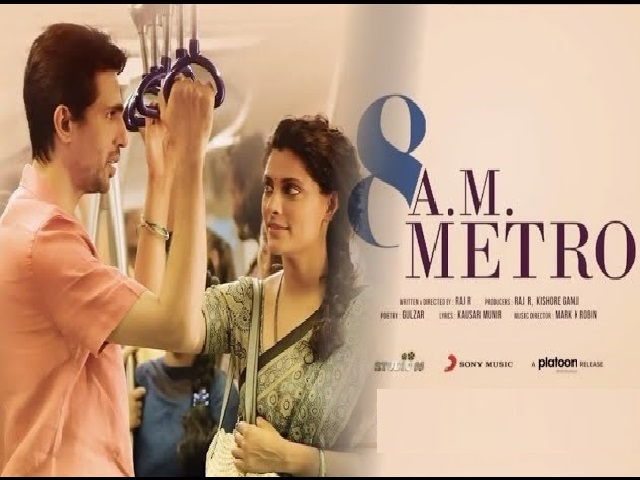
By Rimli Bhattacharya
A friendship blossoms between the two. Irawati opens up to Preetam about her trauma, anxiety and panic attacks.
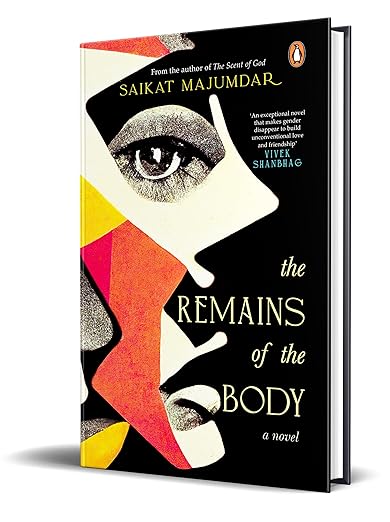
By Ananya Dutta Gupta
Saikat Majumdar’s The Remains of the Body suggests a decisive move in the author towards écriture feminine.
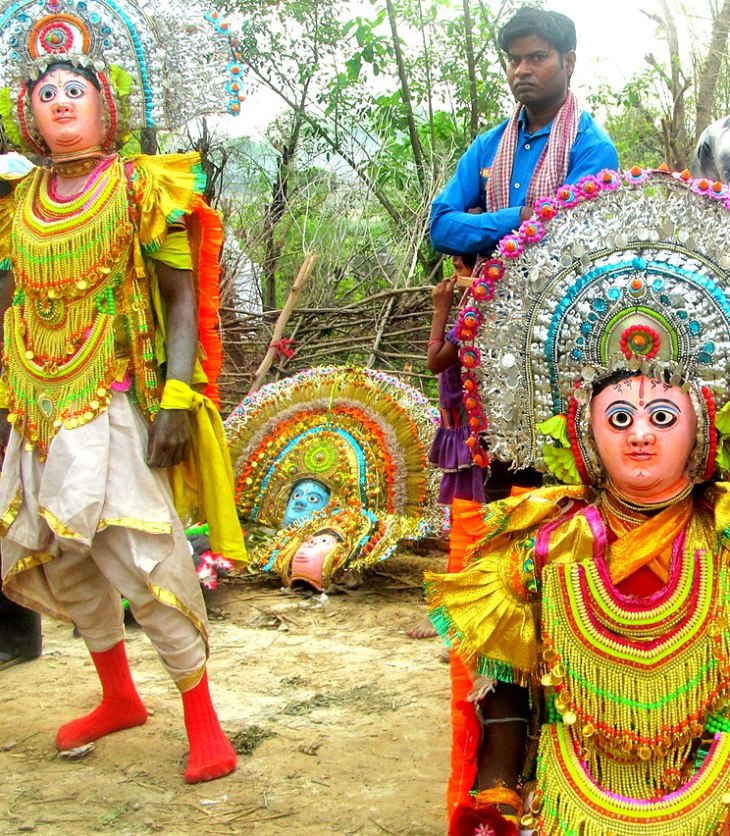
By K. M. Ziyauddin
Jharkhand’s aim to become an inclusive state also prioritises economic inclusion as a fundamental aspect.
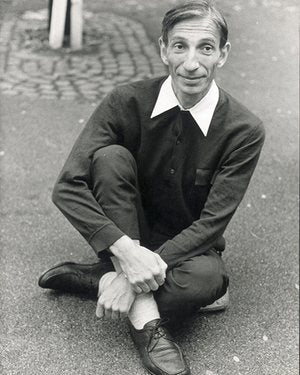
By Shahid Jamal
To truly transform the Indian education system, we must heed Ivan Illich’s call to dismantle existing structures and embrace new approaches that promote creativity, critical thinking, and social justice.
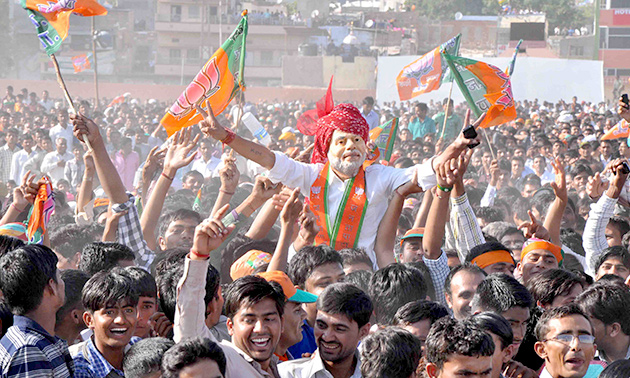
By Anjali Shreshth
In the post-colonial Indian Politics, we see how the right-wing Hindu nationalism, has constantly drawn tropes from the mythic realities of the Ramayana and Mahabharata to evoke a form of hegemonic ‘ideal’ masculinity of the Hindu male and a deviant masculinity of the ‘other.’
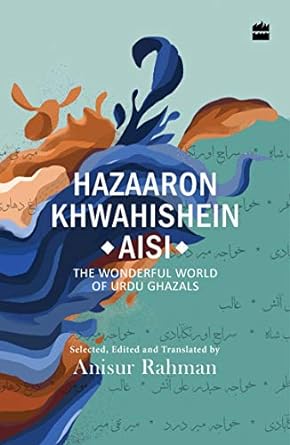
By Pradeep Trikha
Anisur Rahman’s Hazaaron Khwashishein Aisi harnesses and displays canny powers of precision and grace.
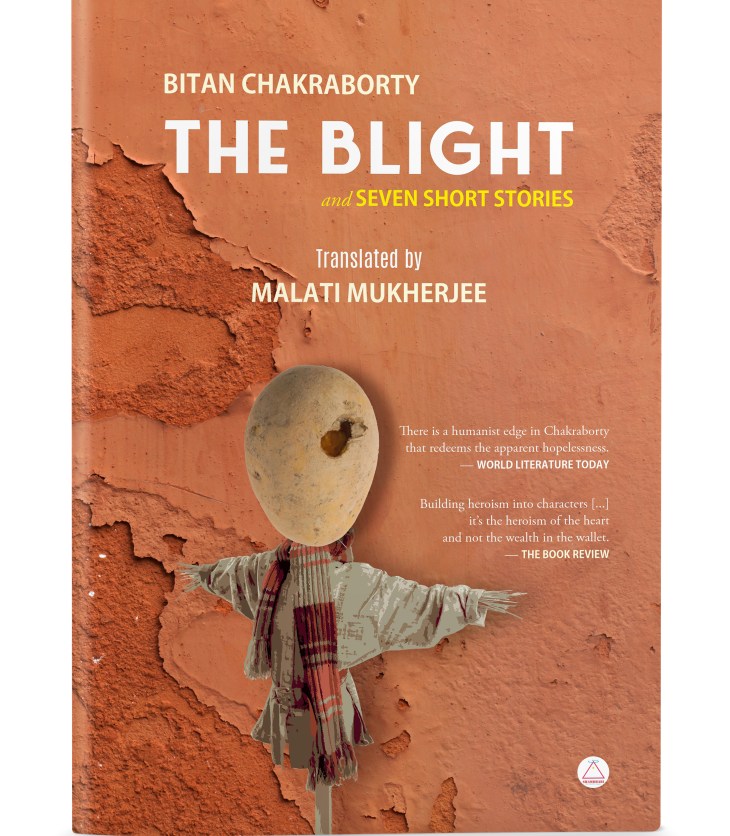
By Sreemati Mukherjee
In practically every story, there is a narrative of human greed that has gone awry; of innocence corrupted by the real world; of the inability of the human being, usually all male in this collection of stories, to retain idealism and incorruptibility.
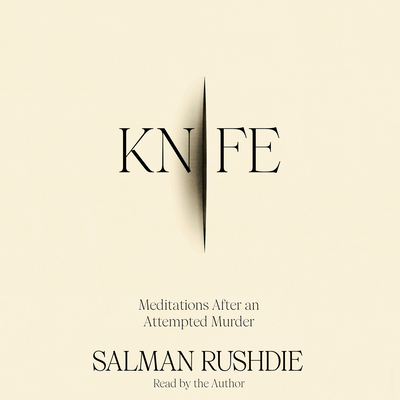
By Sneha Maria Tijo
Language is Rushdie’s weapon, his knife, and he uses it to cut through the nonsense and create art, as a response to the violent knife attack, he was caught up in.

By Jagari Mukherjee
The Buddha in Buddha and Void is the symbol and metaphor of true love – a lotus blooming in the hidden depths of the lover’s soul.
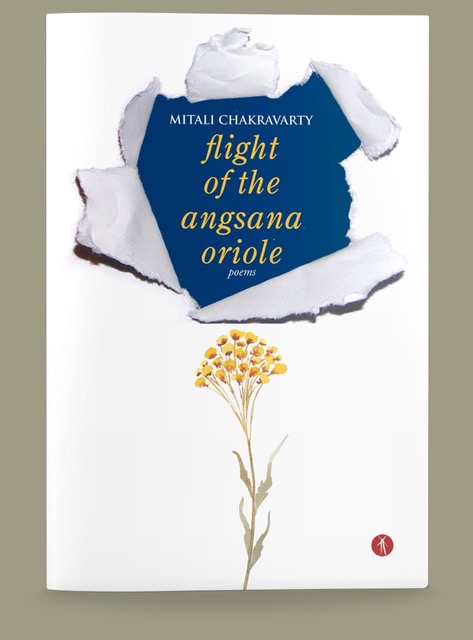
By Rakhi Dalal
The poems in Mitali Chakravarty’s ‘Flight of the Angsana Oriole’, contain stories of hope, wonder, love, despair, loss, and grief.

By Prosenjit Purkait
Denis Villeneuve’s ‘Enemy’ has a stellar cast, riveting ambient music, a distinct Indie (art) film aesthetic, an ambiguous ending and surreal imagery involving … spiders!
By Fayezah Iqbal
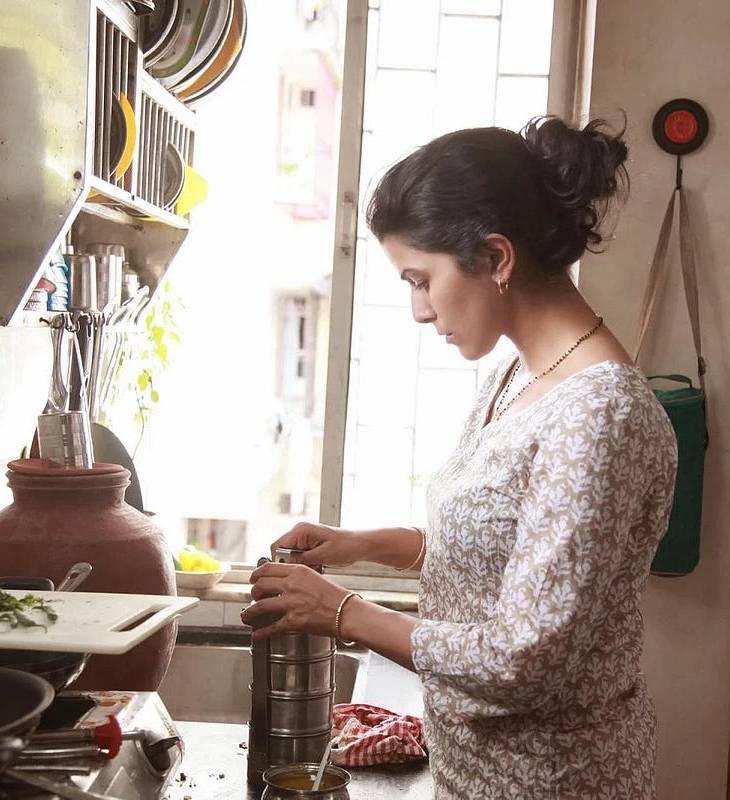
Her job of managing and caring for her family constantly shapes her into this super-woman, called a homemaker.

By Soumyanetra
In other words, the mantras symbolise and invoke our reverence for all ancient knowledge and wisdom that our forefathers had gathered. They arouse our deepest respect for history and tradition and urge us to cleanse our thoughts and words.
 Cafe Dissensus Everyday